Echoes of Haryana
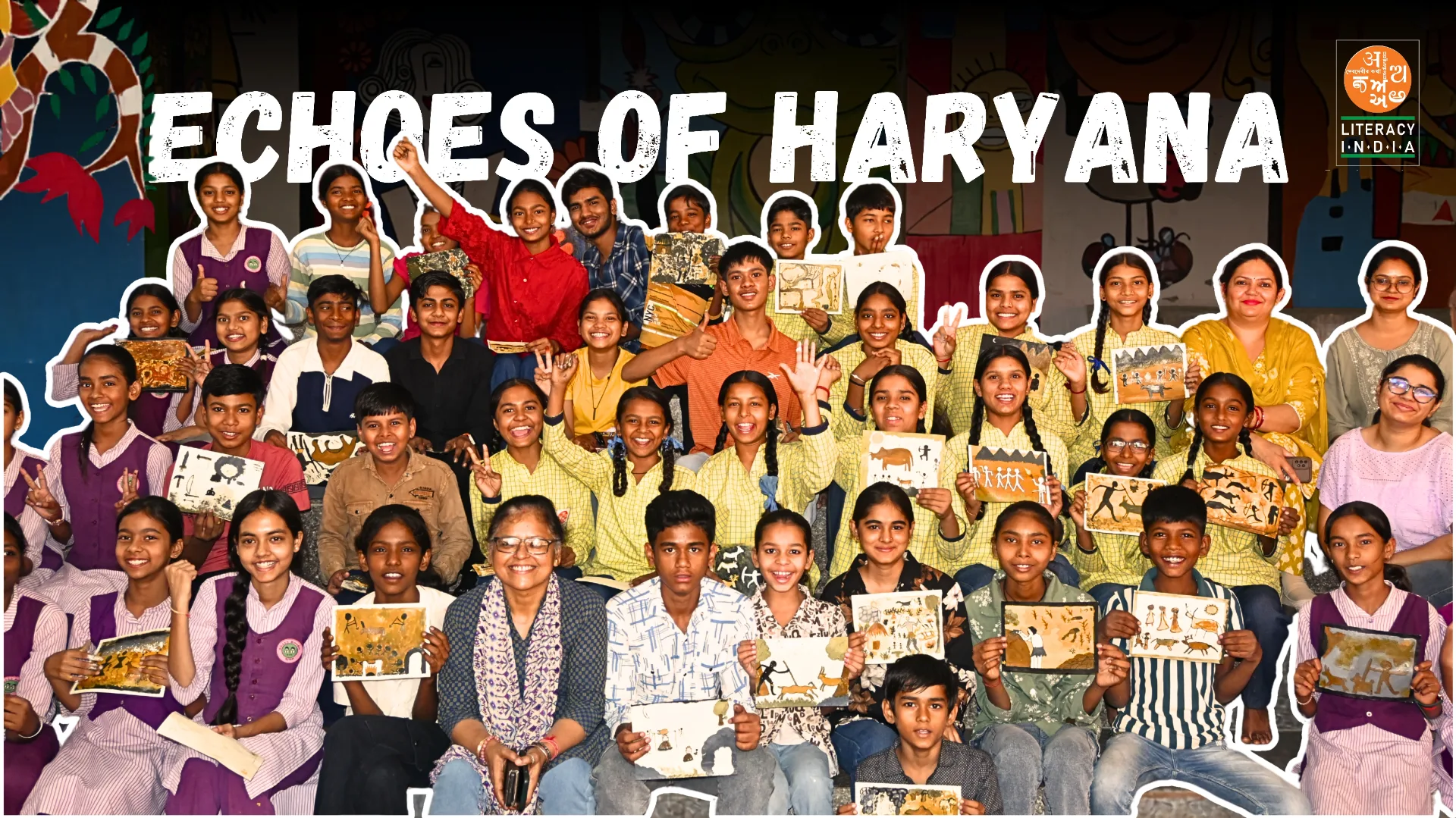
At Literacy India, learning is not limited to textbooks or classroom walls. Education becomes meaningful when children can touch, create, question, observe, and connect with the world around them. India is a land where every state carries its own living history, traditions, languages, crafts, and stories. Through experiential learning initiatives, Literacy India continues to help students discover these roots with curiosity and pride.
As part of this effort, a special two-day heritage workshop, “Echoes of Haryana,” was organised in collaboration with the Raahgiri Foundation and guided by Dr. Banani Bhattacharya. The workshop opened a fascinating window into Haryana’s rich cultural and archaeological heritage for students of Classes VI to X from Literacy India Vidyapeeth.
The sessions transformed history from a subject into a living experience.
Discovering Heritage Beyond Books
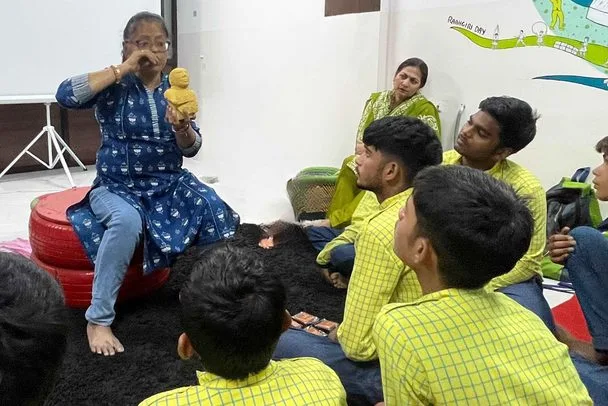
The workshop began with interactive discussions on Haryana’s monuments, forts, baolis, havelis, and the ancient Indus–Saraswati Civilization. Students eagerly shared stories of old utensils, tools, and traditional objects from their own homes. These conversations helped them understand that heritage is not only found in museums — it also lives quietly within families and communities.
For many students, it was exciting to discover that Haryana itself holds important archaeological sites connected to one of the world’s oldest civilizations. The discussions encouraged students to think of history not as distant facts, but as something deeply connected to their own identity.
Ancient Seals, Young Imaginations
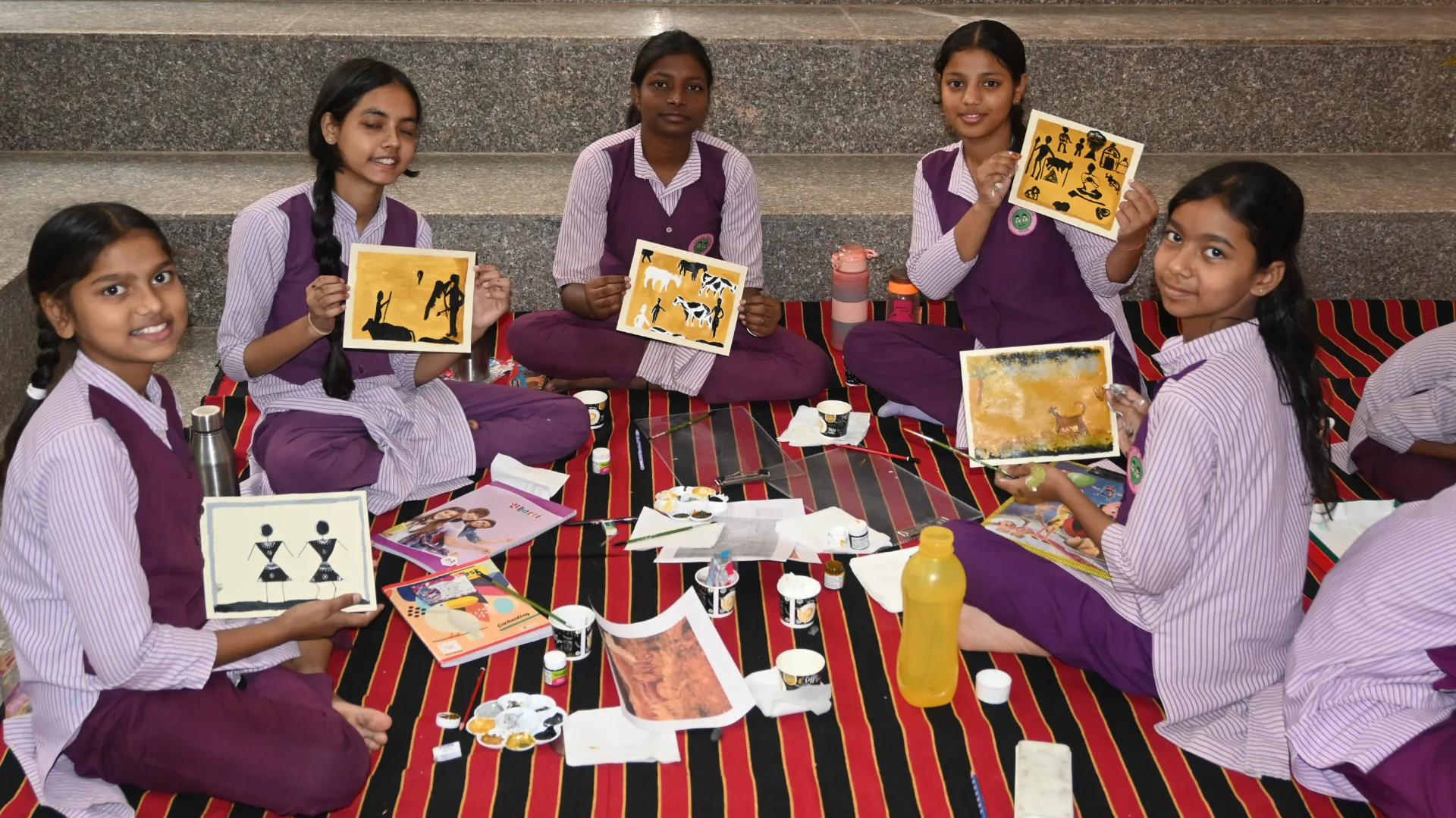
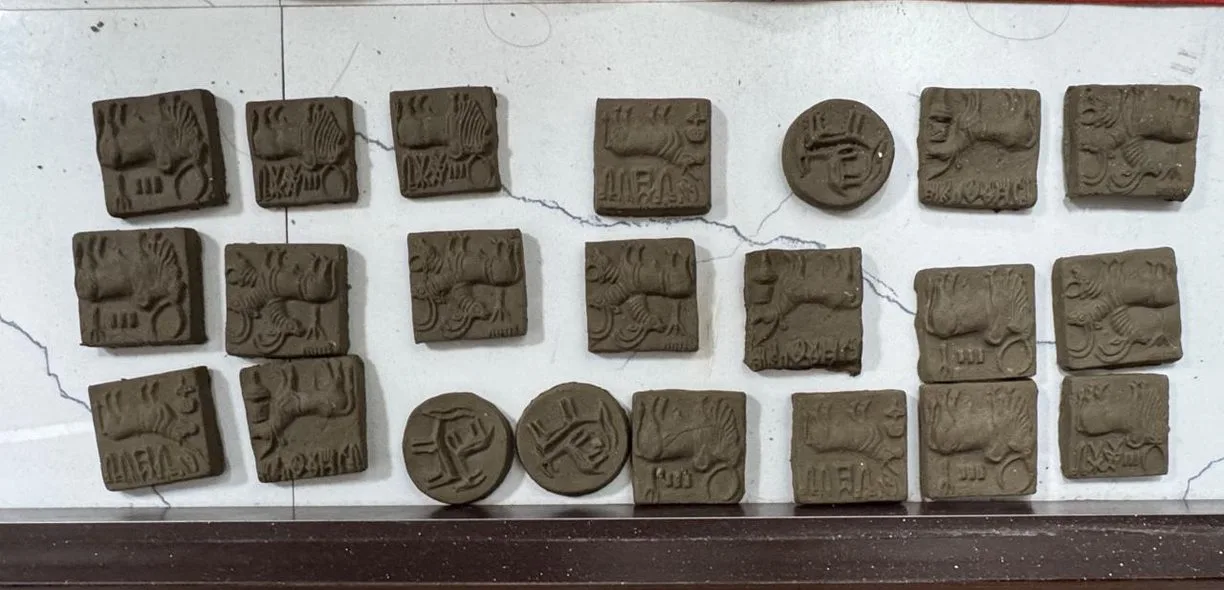
One of the most engaging sessions focused on Harappan seals and ancient trade systems. Students learned how symbols and animal motifs were used for communication thousands of years ago.
The excitement truly came alive when students created their own clay seals. Carefully shaping symbols and designs, they experienced the creativity and precision of ancient artisans. A seal-identification activity further sparked curiosity, turning learning into a playful exploration of history and art.
The Pottery Wheel and the Joy of Creation
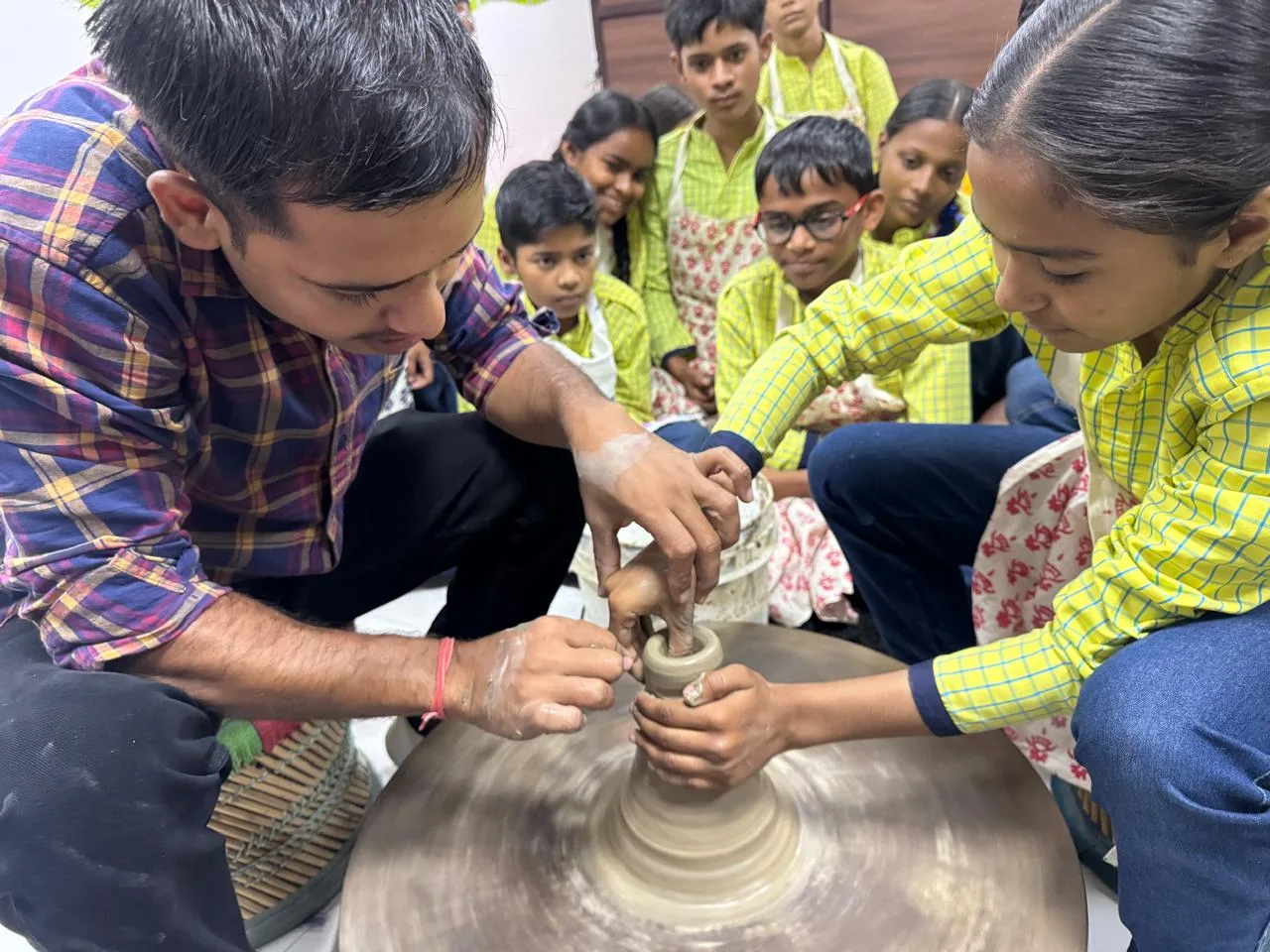
Traditional craftsmanship became real when students gathered around the pottery wheel demonstration. Watching simple clay transform into vessels fascinated them, but the real joy came when they tried pottery with their own hands.
The activity helped students appreciate the patience, skill, and artistry involved in traditional craft practices. It also gave them insight into how ancient communities created everyday objects using basic tools and natural materials.
Becoming Young Archaeologists
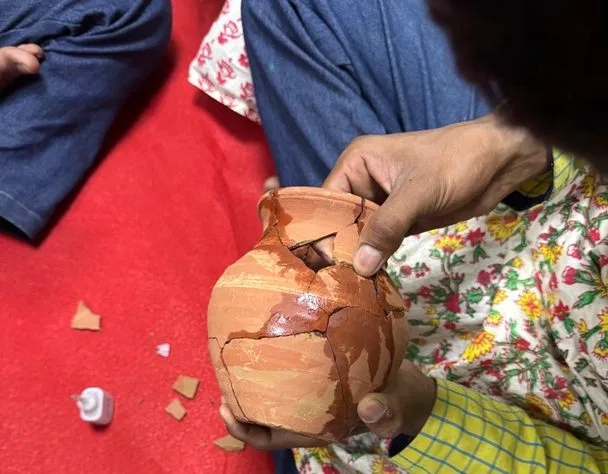
Perhaps the most memorable activity of the workshop was the excavation-inspired pottery reconstruction exercise.
Students worked together to join broken clay pot fragments, much like archaeologists reconstruct artifacts discovered during excavations. The room quickly filled with discussion, teamwork, observation, and problem-solving.
What appeared to be a simple activity quietly developed patience, analytical thinking, and collaborative learning. More importantly, it gave students a practical understanding of how archaeology helps uncover stories from the past.
The workshop also encouraged students to ask thoughtful questions. Sahil was particularly curious about the Aravalli Hills and wanted to know how excavations are carried out and whether students could become archaeologists in the future. Sujeet enthusiastically explored different art patterns and immersed himself in pottery and seal-making activities. Their curiosity reflected the spirit of inquiry the workshop hoped to inspire.
A Museum That Spoke of India’s Many Histories
On the second day students from Classes VI to VIII visited the KC Aryan Museum of Folk, Tribal and Neglected Art as part of their cultural learning journey.
The museum introduced students to a remarkable collection of handmade and original artifacts crafted from wood, metal, and clay. These objects represented folk and tribal traditions from Rajasthan, Punjab, Himachal Pradesh, South India, and the Indus Valley Civilization.
For the students, the visit was more than a museum tour — it was an encounter with the diversity of India itself.
The museum guide explained the history and cultural significance of the exhibits through interactive storytelling. Students listened attentively, asked questions, and observed details with genuine enthusiasm. They learned that preserving heritage is not only about protecting objects, but also about safeguarding the stories, skills, and traditions carried through generations.
An engaging quiz competition at the end of the visit added excitement to the learning experience, and certificates were distributed to encourage participation and curiosity.
Building Learning Through Experience
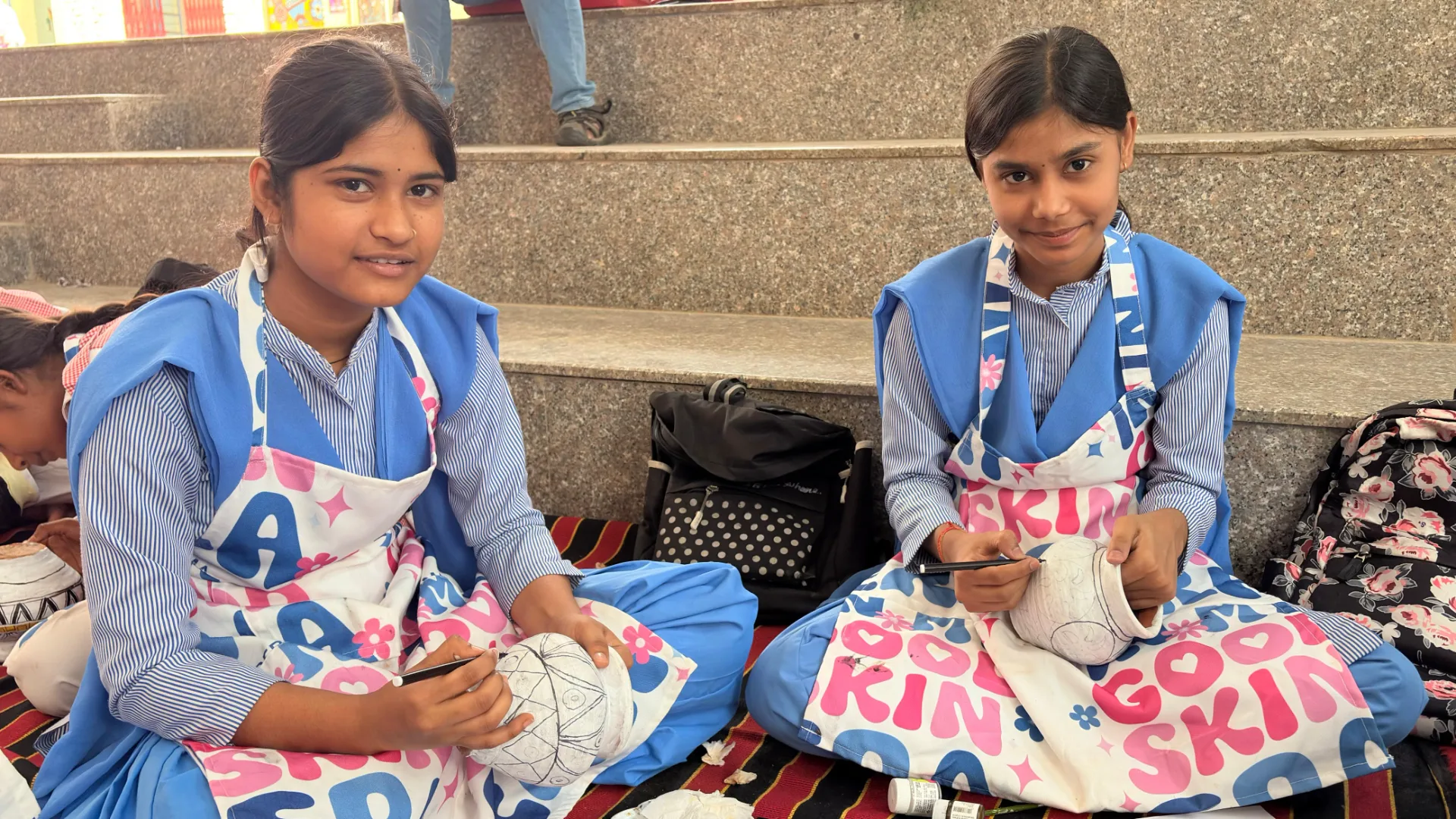
Such initiatives also remind children that every Indian state carries a unique cultural identity worth exploring and preserving. Whether through Haryana’s archaeological heritage, Rajasthan’s folk traditions, or tribal art from distant regions, these experiences help students develop respect for diversity, creativity, and shared history.
Most importantly, the workshop showed that when education becomes interactive and joyful, curiosity naturally follows — and curiosity is where lifelong learning truly begins.
This is what some of the students wrote about the experience.
“Maine pehli baar Indus Valley Civilization ko practically samjha. Mujhe seal making, pottery aur excavation activity bahut interesting lagi. Workshop se ancient civilization ke baare mein bahut kuch seekhne ko mila.”
— Sahil, Class 82. School mein Social Science padhte hain, lekin is workshop ne activities ke through samajhne ka mauka diya. Seal making aur excavation activity bahut achhi lagi. Archaeologists kaise kaam karte hain, yeh jaan kar bahut excitement hui.”
— Tanya Anand, Class 8